|
A Subscriber-Only Newsletter |
|
| |
|
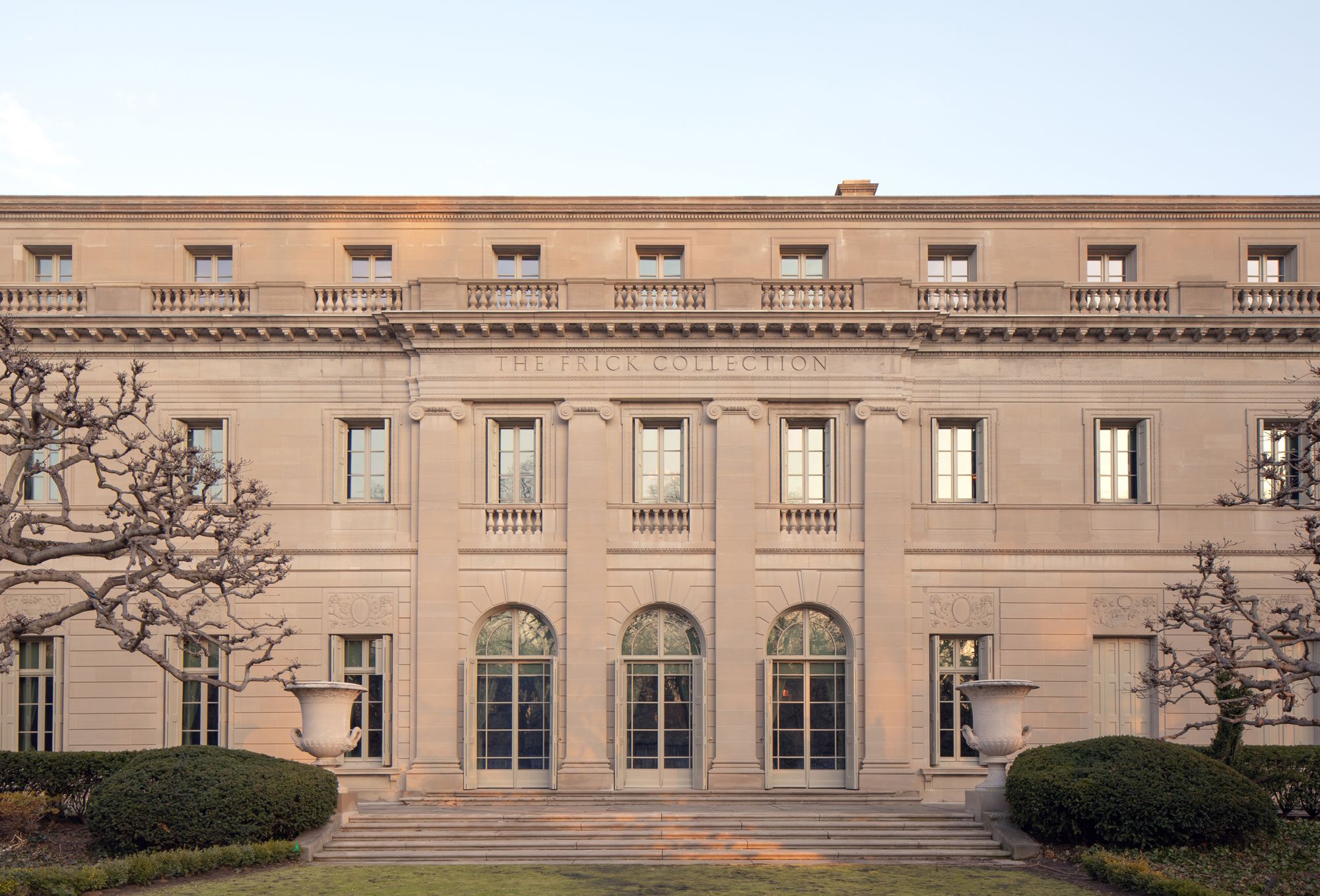
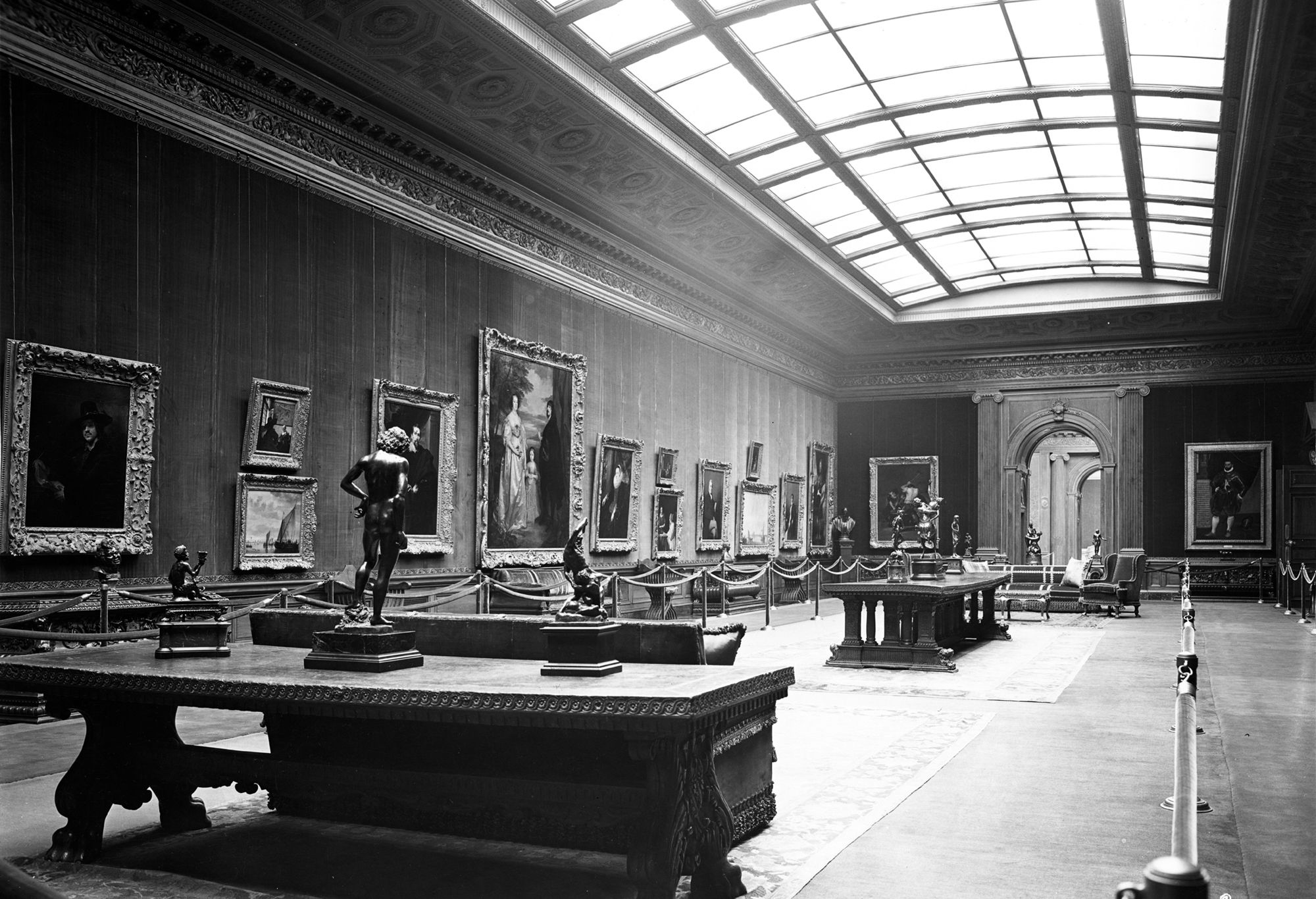
Welcome to the first edition of New York Night School: How to Visit an Art Museum. I’m Jerry Saltz, the senior art critic for New York, and today we’re talking about the Frick Collection, a robber baron’s mansion turned museum that offers something increasingly rare: intimacy. There are no bustling crowds, no encyclopedic sprawl — just a series of stately carpeted galleries that glow like amber. You don’t visit the Frick so much as you get pampered by it. You move past fireplaces, wood paneling, damask curtains. The scale is human. It is where looking becomes private again. The silence is real. Paintings don’t shout. They’ve been waiting for you to stop by and admire them from the first day they were installed.
|
|
|
|
Founded by industrialist Henry Clay Frick, the museum opened to the public in 1935. It sits on Fifth Avenue at 70th Street, across from Central Park, but, psychologically, it is far from everything. The collection is tight, deliberate: heavy with old master paintings, sculpture, decorative arts. Despite a batch of paintings by Gainsborough, Reynolds, and van Dyck — all good but not great — there’s no filler. Frick bought work with conviction and a cold, exacting eye. After his death, the collection was protected and humanized by his daughter, Helen Clay Frick, who guarded it fiercely. The institution has continued to collect, informed by the founder’s taste, and its holdings are now double in number. What you feel today is the power of his devotion: a fortune turned into judgment, then into memory kept steady across time.
|
|
|
|
The recent refresh led by Selldorf Architects is impeccable — subtle, intelligent, almost invisible in the best way. New galleries expand the experience without breaking the spell. Circulation flows. Light breathes. Nothing feels imposed. The Frick remains what it has always been, somehow quietly becoming more itself. This is how museums should evolve: without announcing it.
|
|
|
|
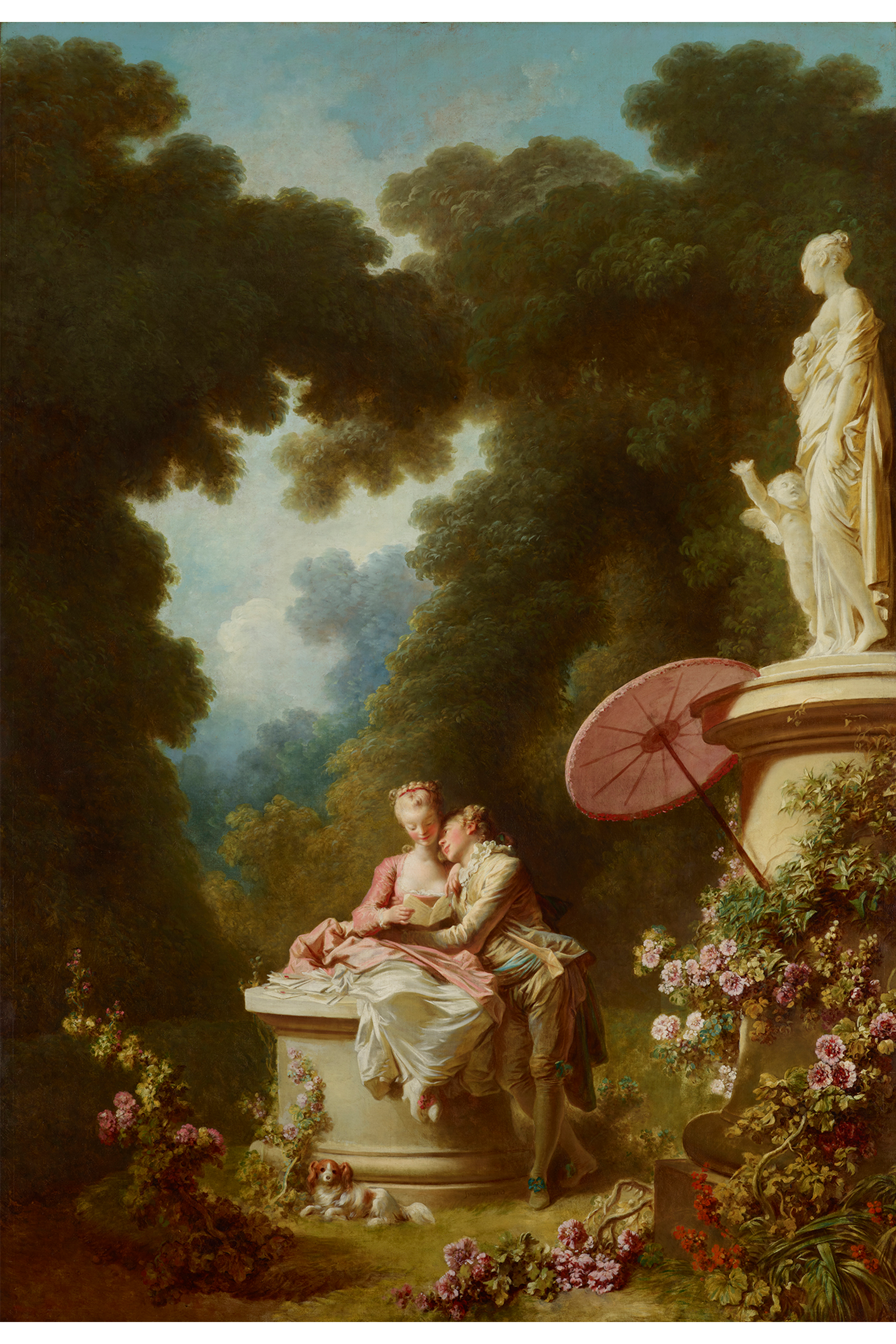
The Progress of Love cycle, 1771–72, Jean-Honoré Fragonard |
First Floor, the Fragonard Room
A rococo fever dream of pinks, greens, and golds. Paint skims and flutters across the surface. Light slickers like gossip. Figures flirt, chase inside a world made of foliage and air. The brushwork is liquid, almost improvisational, yet perfectly controlled. Beneath the sweetness is something harder to name: desire as performance, love as theater, and a darkness on the horizon. You feel how quickly all this can vanish. It’s joy tinged with fragility, a kind of pleasure that’s aware of its own passing.
|
|
|
|
Self-Portrait, 1658, Rembrandt |
First Floor, West Gallery
Brown, gold, and shadow thickened into matter. The paint sits heavy, dragged, reworked: Here is flesh built out of time. Light emerges slowly, like a thought forming. The eyes on the ruddy face gaze at us without asking for much in return. We see decisions, revisions, hesitation. The surface is broken, scarred, alive. This is painting as philosophy. The profundity lies in its refusal to resolve matters for us. Rembrandt expects us to figure things out for ourselves. |
|
|
|
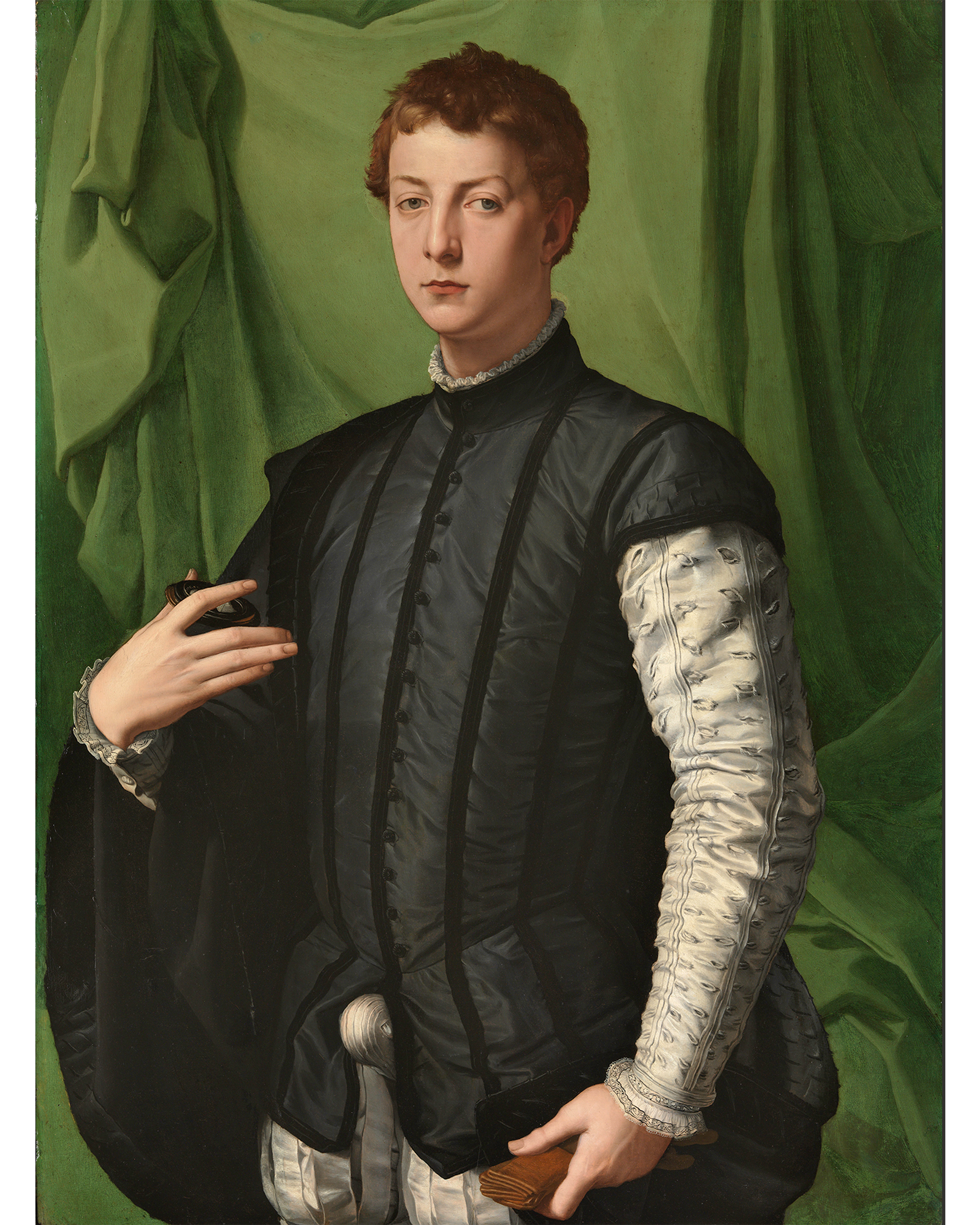
Lodovico Capponi, 1550–55, Agnolo Bronzino |
First Floor, South Hall
Polish so smooth it’s like ice. Hardened blues, blacks, greens, and flesh tones are sealed under enamel-like surfaces. Nothing breathes, everything gleams. The figure is elegant, controlled, and remote. That large codpiece is impossible to ignore: It’s assertive, absurd, erotic, declarative. The body is idealized, armored in style, almost like it’s spiritually voguing. Every edge is sharpened, every texture perfected. Psychologically, something is withheld. Desire becomes display. Identity becomes construction. You don’t meet the person here — you are greeted only by a pose.
|
|
|
|
But If You’ve Only Got an Hour … |
Go straight to the Rembrandts in the West Gallery. Let the silence around you accumulate. This is where the museum reveals itself. Where we are judged. Don’t rush to go elsewhere. The Frick punishes speed. Sit in one of the benches and let a piece take hold of your attention. Learn how to look again. Lingering is encouraged here. |
|
|
|
The Work to Rediscover Even If You’ve Been Here a Million Times |
The Fragonard cycle. It feels decorative at first glance, but stay with it. The lightness, the emotional instability, opens onto one of the most glorious and disparaged movements in all of art history: the rococo. It produces three distinct geniuses: Fragonard, Boucher, and Watteau. This supposedly effete (or shallow) style plumbed new manifestations of pleasure and beauty. |
|
|
|
Where to Go for a Break From Codpieces and Old Masters |
The new café is excellent. Quiet, well designed, unintrusive. You can sit, reset, and carry on looking. The motto is not dissimilar from the rest of the mansion: no rush, no churn. And when you’re ready, walk back out onto Fifth Avenue slowly. Let the city come back in stages. Don’t check your phone right away. |
|
|
|
The Frick is New York’s most stable idea of art. It does not chase relevance. It does not expand into spectacle. It holds. The Met overwhelms. MoMA argues. The Whitney provokes. The Frick endures. Installations here don’t change much, though we might. Every time you return, older, wiser, you’ll notice something new. That’s the real motion. |
|
|
|
We'll be back next week with part two. In the meantime, send any questions, comments, or feedback on this newsletter to newyorknightschool@nymag.com. | |
|
|
|